AI Could Close the Gap or Blow It Wide Open. Schools Will Help Decide Which
4 min read
AI in SchoolsEthics & WellbeingPolicy & Governance
AI can give every child something that was once the preserve of the privileged: a patient, personalised tutor available any time, in any language. Whether that narrows the gap or widens it is a decision schools are making right now, mostly without realising it.
Ethics & WellbeingPolicy & GovernanceAI in Schools
5.8 million refugee children are out of school, from Cox's Bazar and Gaza to Kakuma and the Thai–Myanmar border. Part 4 of the Educational Futures series asks what happens to learning when schools, power and borders fail.
Ethics & WellbeingPolicy & GovernanceAI in Schools
Ask who benefits from AI in education and you will hear about personalised tutors, time saved and cheaper learning. Ask who owns it, who is missing from the conversation and who never gets a say, and a very different picture emerges. Part 2 of the Educational Futures series.
Ethics & WellbeingPolicy & GovernanceEducational LeadershipAI in Schools
The 2026 edition of the statutory safeguarding guidance, Keeping Children Safe in Education, comes into force on 1 September — and it changes the conversation about AI in schools.
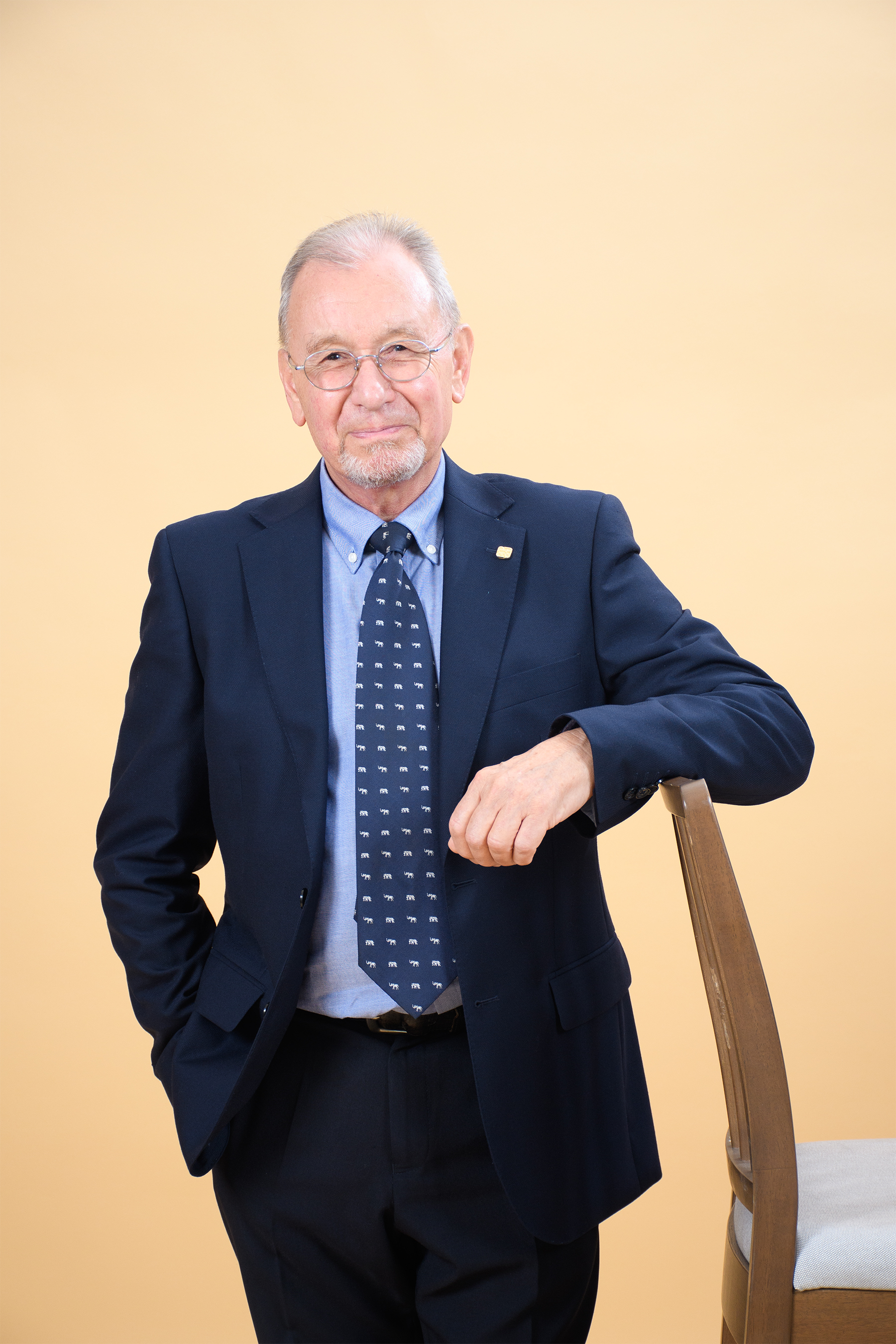
Paul Penfold is an education and technology consultant based in Chiang Mai, Thailand, with six decades of experience spanning classroom teaching, academic research, government policy, and humanitarian service. He advises schools, ministries, and EdTech companies on AI in education, alternative education, and learning technology, and has published 37 papers on immersive and virtual-world learning. His career includes refugee education on the Thai-Cambodian border, pioneering virtual-world hospitality education at Hong Kong Polytechnic University, and national tourism HR strategies across Asia and the Caribbean.