Schools Are Buying AI on Hope. Here's the Evidence They're Skipping
4 min read
Policy & GovernanceEducational LeadershipAI in Schools
This week NPR went looking for the proof behind classroom AI purchases and mostly found invoices. Stanford's review of more than 800 studies turns up only about 20 solid enough to say anything about learning, and the pattern in them is uncomfortable: students do better with AI switched on and worse once it's off.
Ethics & WellbeingPolicy & GovernanceEducational LeadershipAI in Schools
The 2026 edition of the statutory safeguarding guidance, Keeping Children Safe in Education, comes into force on 1 September — and it changes the conversation about AI in schools.
Policy & GovernanceAI Literacy & CurriculumEducational LeadershipAI in Schools
Newsletter 8 of 14 in the WEF series. An AI readiness framework for education — a shared structure schools, systems, and policymakers can use to have the same conversation for once.
Policy & GovernanceEducational LeadershipSkills & Future of Work
In the worst-case 2045 there are two tiers: wealthy families buy human attention, small classes and a place in a handful of trusted institutions, while everyone else gets a machine. Part 1 of 3 on whether schools and universities will still matter.
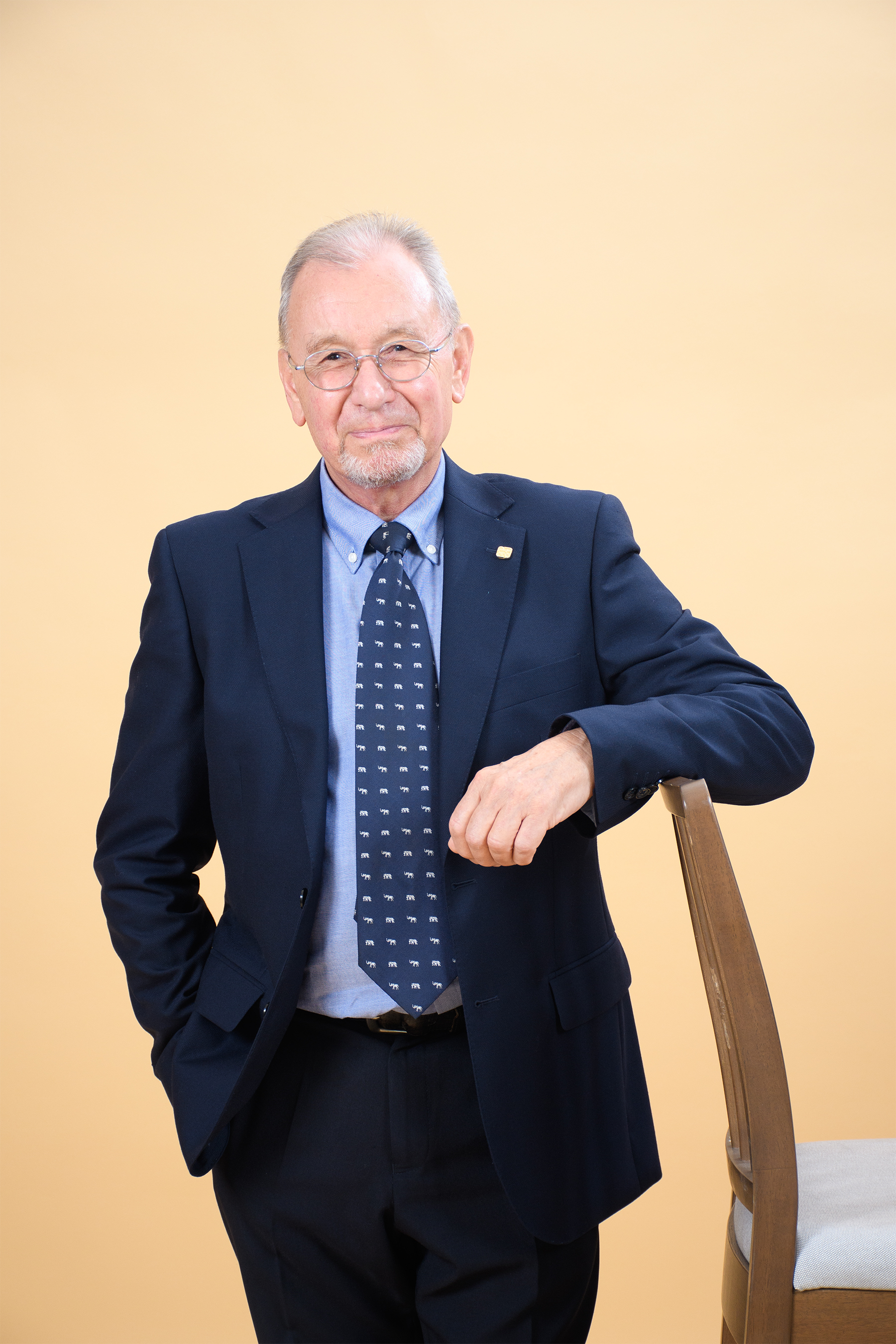
Paul Penfold is an education and technology consultant based in Chiang Mai, Thailand, with six decades of experience spanning classroom teaching, academic research, government policy, and humanitarian service. He advises schools, ministries, and EdTech companies on AI in education, alternative education, and learning technology, and has published 37 papers on immersive and virtual-world learning. His career includes refugee education on the Thai-Cambodian border, pioneering virtual-world hospitality education at Hong Kong Polytechnic University, and national tourism HR strategies across Asia and the Caribbean.