Teaching the Ethics, Not Just the Tools: What Human-Centred AI Really Means
4 min read
Ethics & WellbeingAI Literacy & CurriculumAI in Schools
Most of the AI conversation in schools is about tools and productivity. The more important conversation is about ethics – fairness, privacy, bias, and who stays in control. If we teach children to use these systems but not to question them, we've prepared efficient users, not wise citizens.
Ethics & WellbeingPolicy & GovernanceAI in Schools
5.8 million refugee children are out of school, from Cox's Bazar and Gaza to Kakuma and the Thai–Myanmar border. Part 4 of the Educational Futures series asks what happens to learning when schools, power and borders fail.
Ethics & WellbeingPolicy & GovernanceAI in Schools
Ask who benefits from AI in education and you will hear about personalised tutors, time saved and cheaper learning. Ask who owns it, who is missing from the conversation and who never gets a say, and a very different picture emerges. Part 2 of the Educational Futures series.
AI Literacy & CurriculumEthics & WellbeingSkills & Future of Work
AI produces fluent, confident, professional-looking answers – and it's wrong a lot of the time. Most teachers already worry that students can't tell the difference. That gap is going to make one old-fashioned skill more valuable than almost any other: the ability to think critically about what you're being told.
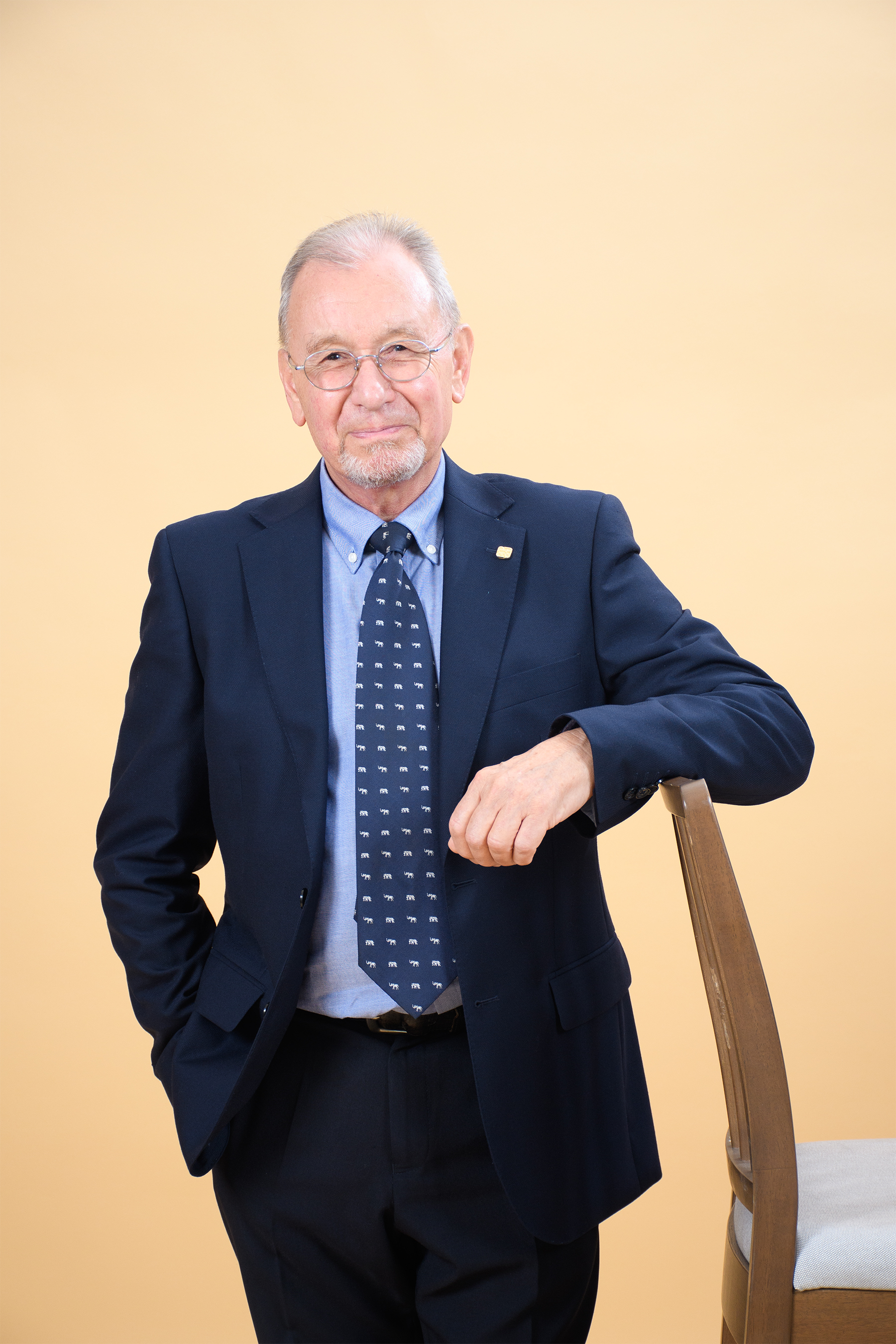
Paul Penfold is an education and technology consultant based in Chiang Mai, Thailand, with six decades of experience spanning classroom teaching, academic research, government policy, and humanitarian service. He advises schools, ministries, and EdTech companies on AI in education, alternative education, and learning technology, and has published 37 papers on immersive and virtual-world learning. His career includes refugee education on the Thai-Cambodian border, pioneering virtual-world hospitality education at Hong Kong Polytechnic University, and national tourism HR strategies across Asia and the Caribbean.